Learn About Lab Grown Color Diamonds | Diamond Forest
Learn About Lab Grown Color Diamonds
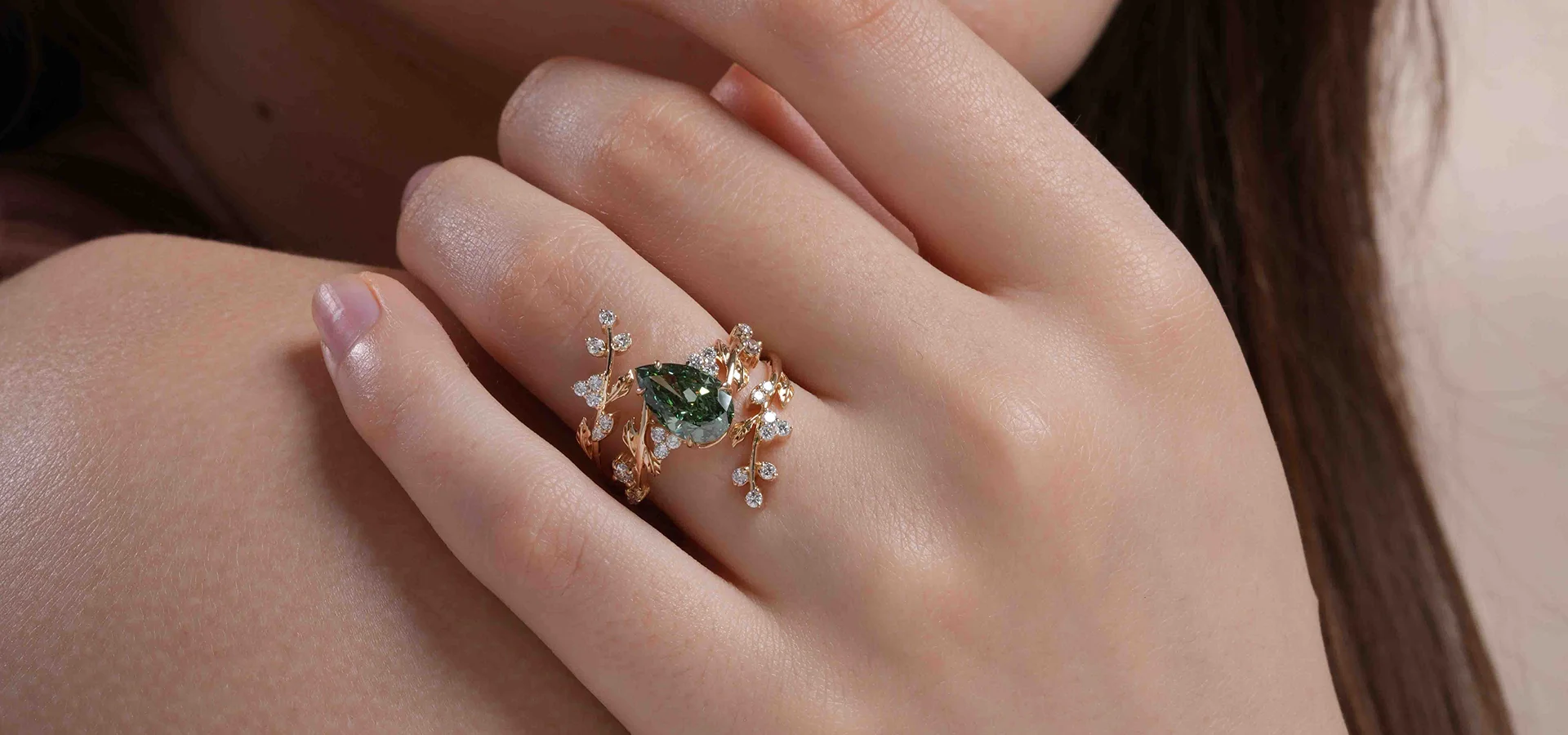
Some diamonds shine with light. Some speak through color. Lab-grown color diamonds bring vivid shades into fine jewelry with clarity, beauty, and modern craft. From soft pinks to glowing yellows, calm blues, fresh greens, and warm champagne tones, each color carries a different feeling. It is a diamond chosen not only by the eye, but by meaning.
Lab-grown color diamonds are diamonds created in a controlled laboratory environment rather than mined from the earth. They are made of carbon arranged in a diamond crystal structure, just like diamonds formed in nature. Their origin is different, but they share the same hardness, brilliance, and physical properties as natural diamonds.
Their color can appear through specific growth conditions, trace elements, changes within the diamond crystal, or carefully disclosed post-growth treatments. This is what allows lab-grown color diamonds to offer shades that feel expressive, personal, and beautifully modern.
Why Color Matters
In a colorless diamond, the goal is often to see as little body color as possible. In a color diamond, color is the heart of the stone. A soft shade can feel delicate and romantic. A vivid shade can feel bold and rare. A warm champagne or brown diamond can feel grounded and earthy. The right choice depends on the color, the setting, and the feeling you want the jewel to hold.
How Color Appears in a Diamond
A diamond’s color begins inside its structure. Tiny changes can influence the shade we see. Nitrogen may create yellow tones. Boron may create blue tones. Natural variations within the crystal structure may influence shades such as pink or red."
Some colors can also be created or refined through treatment processes after growth.
With lab-grown color diamonds, advanced technology makes it possible to grow diamond material in conditions that can encourage specific colors. Still, every diamond should be understood through its own report, because color, growth method, and treatment details can vary from stone to stone.
How Lab-Grown Color Diamonds Are Made
Most lab-grown diamonds are created through one of two methods: CVD or HPHT. CVD stands for Chemical Vapor Deposition. This method grows diamond crystal from carbon-rich gas on a diamond seed inside a controlled chamber.
HPHT stands for High Pressure, High Temperature. This method uses intense pressure and heat to grow diamond crystal from carbon.
For color diamonds, growth conditions and trace elements can influence hue. Some diamonds may also receive post-growth treatment to refine, deepen, or adjust their color. A trusted diamond report should help disclose meaningful information about origin, growth method, and treatment where available.
How Color Is Evaluated
Color diamonds are evaluated differently from colorless diamonds. Instead of focusing only on the absence of color, a color diamond is understood by the beauty, strength, and placement of its shade. Hue is the main color you see, such as yellow, pink, blue, green, orange, brown, gray, or a blend of colors. Tone describes how light or dark the color appears. Saturation describes how soft, strong, or vivid the color feels. Distribution describes how evenly the color appears across the diamond when viewed face-up. Together, these details help explain why two diamonds of the same color family can still look very different.
Color, Shape, and Setting
A color diamond is often cut to reveal the beauty of its shade. Some shapes hold color softly, while others make it feel stronger. Radiant and cushion cuts are often loved for their ability to carry color with depth. Oval and pear shapes can feel graceful and fluid. Emerald cuts can feel calm, clean, and modern.
The setting matters too. A simple setting can let the color speak. A halo can make the center stone feel larger and more luminous. A three-stone design can add meaning. For Diamond Forest, the best setting is the one where color, form, and feeling come together naturally.
How to Choose a Lab-Grown Color Diamond
Choose the feeling first. Yellow may feel warm and joyful. Pink may feel soft and romantic. Blue may feel calm and refined. Green may feel fresh and nature-led. Champagne and brown may feel earthy, warm, and quietly elegant. Compare intensity. A lighter shade may feel subtle and easy to wear. A more vivid shade may feel stronger and more expressive.
Compare intensity. A lighter shade may feel subtle and easy to wear. A more vivid shade may feel stronger and more expressive.
Look at the shape and cut. Radiant, cushion, oval, pear, emerald, and round shapes can each carry color differently. A good cut helps the shade look balanced, lively, and graceful.
See it with the right metal. Yellow gold can warm yellow and champagne tones. Rose gold can soften pink shades. White gold or platinum can give blue, green, and vivid colors a clean, modern frame.
Read the report. For confidence, review the diamond report for origin, color description, measurements, clarity, and treatment information where stated.
Lab-Grown Color Diamonds vs Natural Fancy Color Diamonds
Natural fancy color diamonds are rare because their color forms through unusual geological conditions deep within the earth. Lab-grown color diamonds offer a more accessible way to choose diamond color, with more room for personal style, size preferences, and design creativity.
The difference is origin, rarity, and often price. The choice is personal. A natural fancy color diamond carries the story of geological rarity. A lab-grown color diamond carries the beauty of diamond with a modern, intentional origin.
Reports and Transparency
A lab-grown color diamond should be chosen with clarity and confidence. A report from a recognized gemological laboratory can help confirm the diamond’s laboratory-grown origin, color description, measurements, clarity, and, where available, growth method and post-growth treatment information.
At Diamond Forest, transparency is part of the experience. We believe a diamond should feel beautiful, but it should also feel understood.
Caring for Lab-Grown Color Diamonds
Lab-grown color diamonds are suitable for fine jewelry and everyday moments, but every jewel deserves care. Clean gently with mild soap, warm water, and a soft brush. Avoid harsh chemicals. Store your jewelry separately so the diamond and setting are protected from scratches or impact. For pieces worn often, we recommend periodic professional checks to keep the setting secure and the jewel at its best. At Diamond Forest, color is more than a shade. It is a feeling, a memory, and a quiet expression of self. Our lab-grown color diamonds are chosen for those who want their jewelry to feel graceful, personal, and deeply theirs.
At Diamond Forest, color is more than a shade. It is a feeling, a memory, and a quiet expression of self. Our lab-grown color diamonds are chosen for those who want their jewelry to feel graceful, personal, and deeply theirs.