1500+ Jewelry Designs In-StockDetails

1500+ Jewelry Designs In-StockDetails
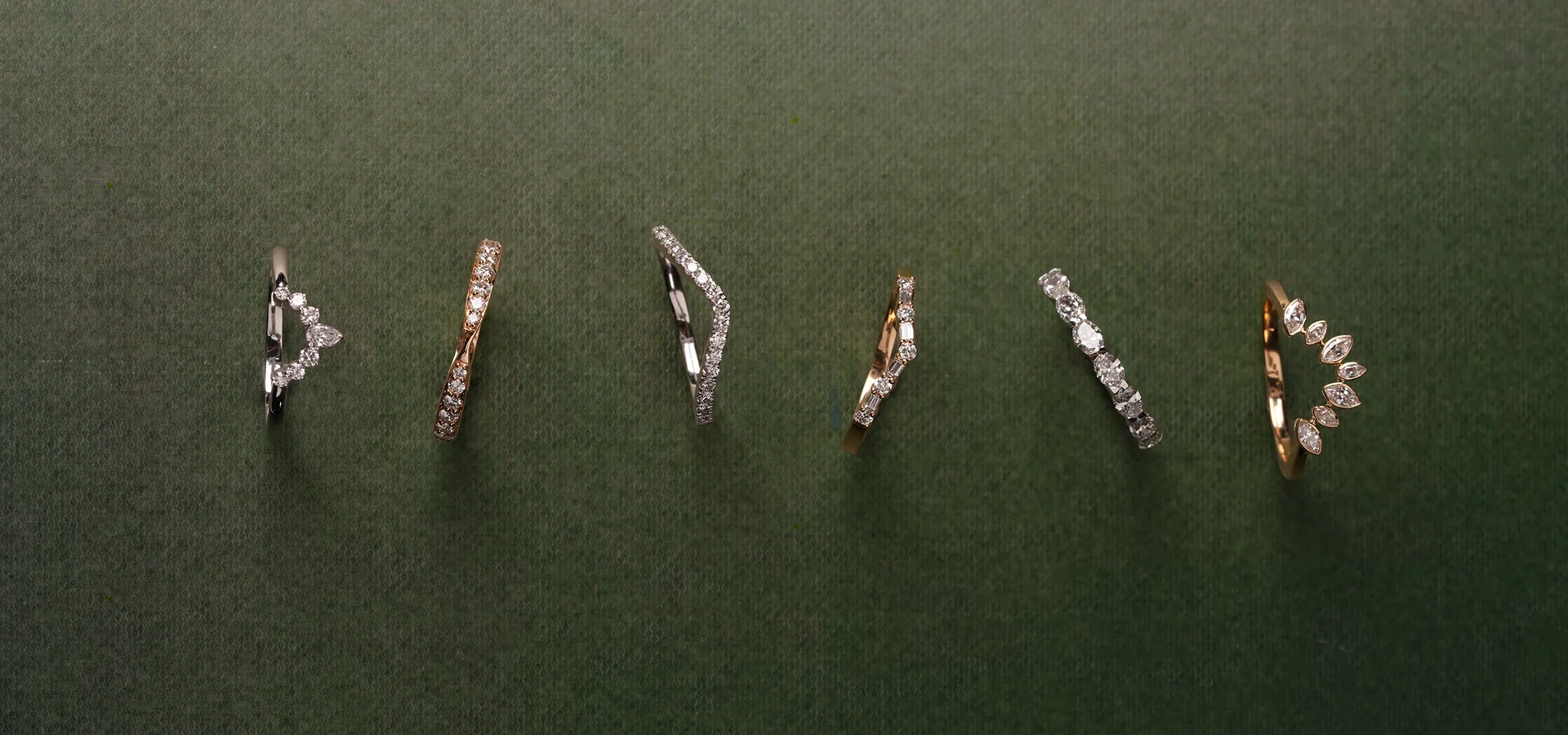


When choosing any gold ring, understanding carats is essential, as this measurement dictates the ring's
purity, durability, and price.
This is 100% pure gold. While incredibly luxurious, it is highly expensive, very soft, bends easily, and
scratches too quickly to be used for everyday rings.
Composed of 75% pure gold and 25% alloys. It retains a rich, prestigious color and high value, making it
ideal for fine jewelry, though it remains slightly softer and more prone to scratching.
The absolute sweet spot for jewelry. Containing 58.3% pure gold,
Containing 37.5% pure gold, this option is highly affordable and incredibly tough against scratches,
though the lower gold content means the color is slightly less vibrant.
Platinum is the absolute pinnacle of luxury, strength, and security. It is a naturally white metal that is used
in an almost pure state (usually 95%), meaning it will never change color, fade, or require replating.
Platinum is incredibly dense and heavy, giving it a premium feel on the hand. Unlike gold, which loses
tiny fragments of metal when scratched, platinum simply shifts out of place when struck. Over time, these
micro-scratches blend into a soft, velvety finish called a patina. Best of all, it is entirely hypoallergenic,
making it the safest choice for anyone with sensitive skin.
Ultimately, the right metal for your ring is the one that effortlessly balances your personal style, daily
activities, and budget. If you want a timeless heirloom with zero long-term maintenance, stretching your
budget for platinum or 18k gold is a beautiful investment. If you want the absolute best value for
everyday wear, 14k gold provides the ideal sweet spot of strength, shine, and affordability. Take a look at
your current jewelry collection, think about how much hands-on activity your ring will see, and choose
the metal that feels right for your life story.